Have you ever watched a movie and thought, “Wait... this is just like something that happened to me last week!”? That’s the magic of everyday life — it’s full of stories just waiting to be told.
The best movie ideas don’t always come from grand explosions or alien invasions. Some of the most powerful stories are rooted in small, honest moments we often overlook. Whether it’s an awkward first date, a tense family dinner, or a stranger’s kind gesture on a rainy day, your next big idea might already be happening around you.
So, how do you turn life’s ordinary moments into extraordinary stories? Let’s break it down.

1. Observe Daily Life Like a Screenwriter
Start looking at people, conversations, and events like a writer or filmmaker. The quiet guy on the train, the lady arguing with a vegetable vendor, the couple having an emotional conversation at a cafe — there’s a story seed in each of them.
Pro Tip: Carry a notebook or use a notes app. Jot down odd behaviors, funny dialogues, or emotional moments. You’ll thank yourself later.
2. Use Your Personal Memories as Story Gold
Think of moments that moved you — heartbreaks, fights, victories, or those weird coincidences that gave you goosebumps. Truth is stranger (and often more powerful) than fiction.
- Ever had a friendship break unexpectedly?
- Fought over inheritance in the family?
Witnessed a near-miracle on a bus ride?

These are real and relatable, and that’s exactly what resonates on screen.
3. Find Movie-Worthy Stories by Listening to Others
People love talking — you just need to listen. Sit with your grandparents, chat with strangers on trains, or eavesdrop at cafes (with a conscience!). Real-life conversations are goldmines of emotion, humor, conflict, and twists.
“I once met a taxi driver who told me he faked his own death for a girl. We dated for two years. The irony?”
— Rohit Rathod, a storyteller at heart
4. Look for Conflict — That’s Where the Plot Begins
Every story thrives on conflict: man vs man, man vs self, man vs society. Conflict drives characters and makes stories compelling.
So, when your neighbor argues with the society chairman over parking, there’s more than irritation there. Maybe it's about ego, loneliness, or proving something. Dig deeper.
5. Ask “What If” to Turn Ordinary into Extraordinary
A good “what if” question can turn a daily event into a blockbuster plot.
- What if that stranger you helped was a wanted criminal?
- What if your annoying boss is actually a time traveler trying to fix their past?
- What if your arranged marriage was with your childhood bully?
Simple? Yes. Fun? Always.
6. Mix Unrelated Ideas to Create Unique Stories
Creativity often sparks when two unrelated ideas collide.
- A delivery boy with a photographic memory + a murder mystery = Thriller!
- A housewife who loves stand-up comedy + a secret mafia job = Dark comedy!
Mashups can lead to fresh, unique narratives.
7. Start With Emotion — Not Just Plot Twists
Before you chase a complex plot, ask: What do I want the audience to feel?
Do you want them to cry? Laugh? Feel empowered? Scared?
Build your story around emotion first, because feelings are what make a film unforgettable.
🎬 Final Take: Real Life Is More Cinematic Than You Think
You don’t need to visit space or study mythology to come up with a great script. Sometimes, watching your parents argue over dinner, or remembering how you used to lie to your tuition teacher, is more than enough.
Life is not just a source of stories — it is the story. Start looking, listening, and feeling. The next award-winning script could be hiding in your doodhwala's routine.
👨💻 Bonus for Writers:
If you’re stuck, use this quick exercise:
"Every day at 9 AM, I see [person] doing [action] at [place]. But one day, [something unusual] happens, and everything changes..."
Now finish that.
If you liked this post and want more ideas like this, visit RollSoundAction.com
No comments yet. Be the first to share your thoughts!
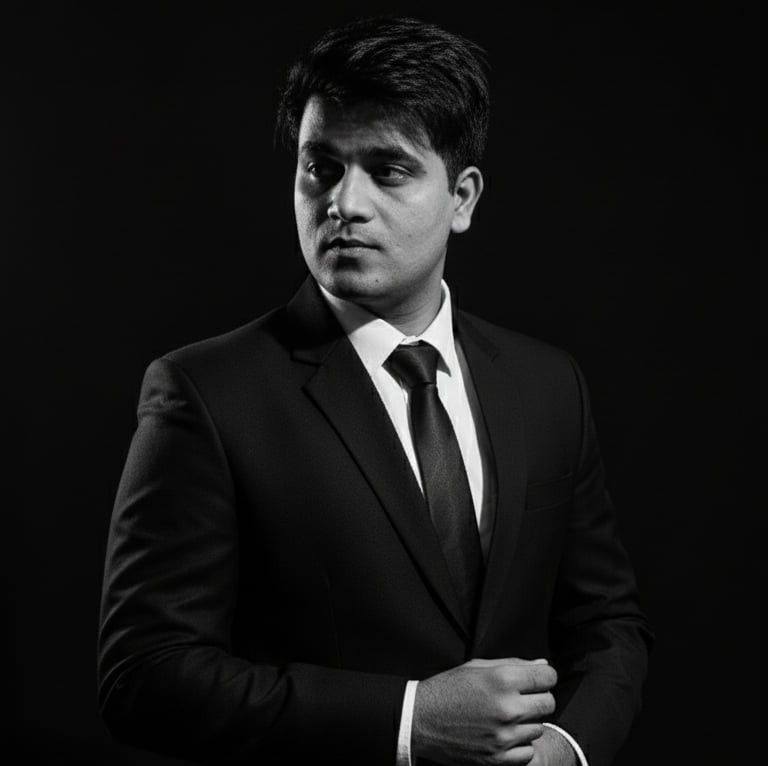
Rohit
Hi! I’m the person behind Roll Sound Action—someone who has been in love with cinema long before I even knew what a "frame" or a "cut" really meant. I didn't go to film school. I wasn't handed a camera and told, "go make magic." I just fell for stories, visuals, and sounds—and slowly started digging into how all of it works. Now, Roll Sound Action is the space where I share what I've learned and what I'm still figuring out. From scripting to VFX, I break it all down like I would for a friend over chai. No fluff, no flex—just real stuff for people who genuinely care about the art of filmmaking. If you're someone who pauses movies just to admire the lighting, or rewatches scenes to study the edit... yeah, we'll get along just fine.